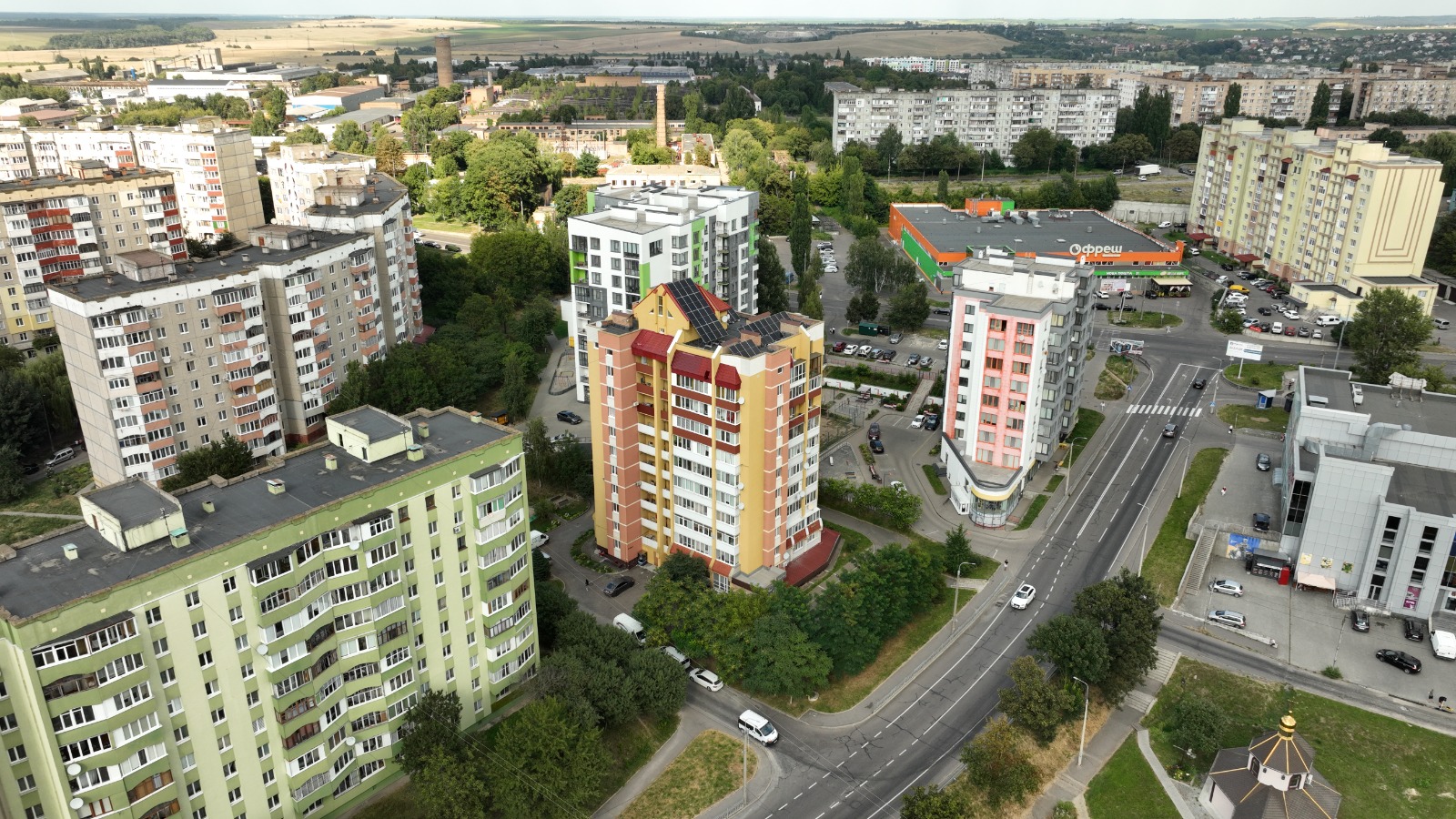
1. Multi-Apartment Buildings and Baseline Energy Losses: The Current Status of the Housing Stock
The establishment of the Energy Efficiency Office (EEO) in the Rivne territorial community was a strategic municipal decision, backed by a precise quantified baseline and a comprehensive engineering audit. Decades of infrastructure monitoring revealed how hidden structural and technical degradation had accumulated within the residential sector, ultimately triggering a profound technical and economic crisis on a citywide scale.
The community’s total residential stock comprises 1,289 multi-apartment buildings, with approximately 60% constructed before 1989. From a structural engineering standpoint, the majority of these buildings have exceeded their design service life without undergoing comprehensive capital repairs or thermal modernizations.
They were built according to outdated standards featuring minimal requirements for the thermal resistance of building envelopes. Physical deterioration has transformed these structures into “thermal sieves,” where space heating accounts for up to 80% of total energy consumption. Due to uninsulated walls, roofs, and obsolete single-pipe internal heating networks, the city has historically engaged in the capital-intensive heating of the external environment.
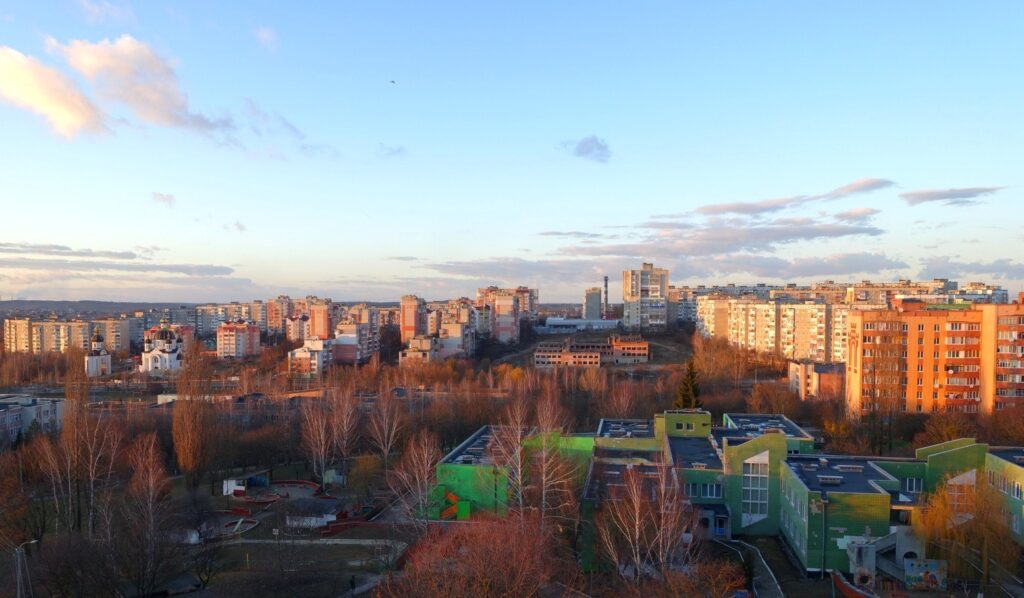
2. Escalating Energy Tariffs and the Market Paradox
The structural vulnerability of the building stock reached a critical turning point as utility tariffs escalated sharply, imposing a heavy financial burden on local households:
- Electricity Tariffs: Increased by over 60% for residential consumers.
- District Heating & Hot Water: Rose by more than 40%.
For many families, utility bills have become the dominant expenditure category, directly threatening household economic security. Consequently, reducing energy consumption has shifted from a purely environmental objective into a critical matter of survival and socio-economic safety.
In response to these market challenges, several financial instruments were launched at the national level. Specifically, the State Agency “Energy Efficiency Fund” introduced the “EnergoDim” program, followed by the “GreenDim” initiative to promote renewable energy sources (RES). These financial tools offered unprecedented grant reimbursement rates, covering up to 95% of eligible capital expenditures.
This environment revealed a fundamental market paradox: despite the availability of substantial financial resources and high grant intensity, only 8.5% of Rivne’s HOAs mobilized to launch projects. Significant grant liquidity remained unspent in donor accounts, while the city’s residential infrastructure continued to degrade.
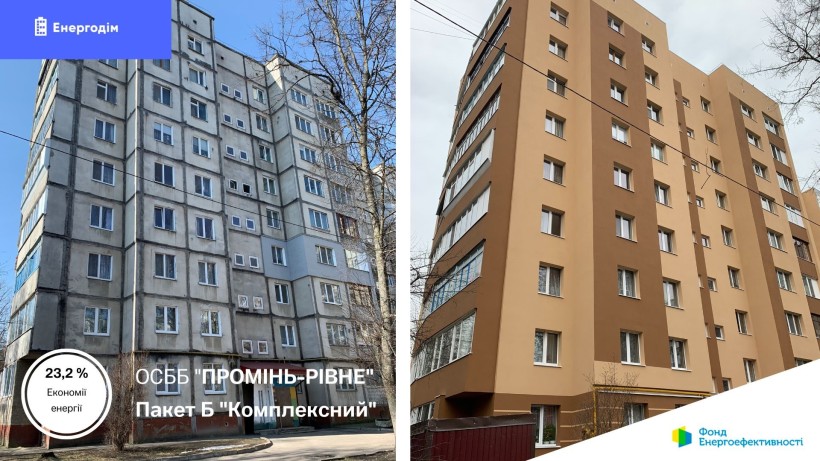
3. Main constraints: why residents avoided support programs
A detailed analysis of Homeowners’ Associations (HOAs) and building management operations identified three primary market barriers hindering resident participation:
- Extreme complexity in processing administrative requirements and grant applications.
- Significant difficulties in managing technical workflows, including conducting professional building energy audits, developing detailed design and estimate documentation, installing Individual Heating Units (IHUs), and balancing internal hydraulic networks.
- Deep-seated risk aversion regarding commercial loans, debt service charges, and long-term financial commitments.
The critical missing link in the value chain was a reliable, professional municipal partner to offer integrated home renovation services—guiding co-owners through a seamless customer journey from the initial project idea to final technical acceptance.
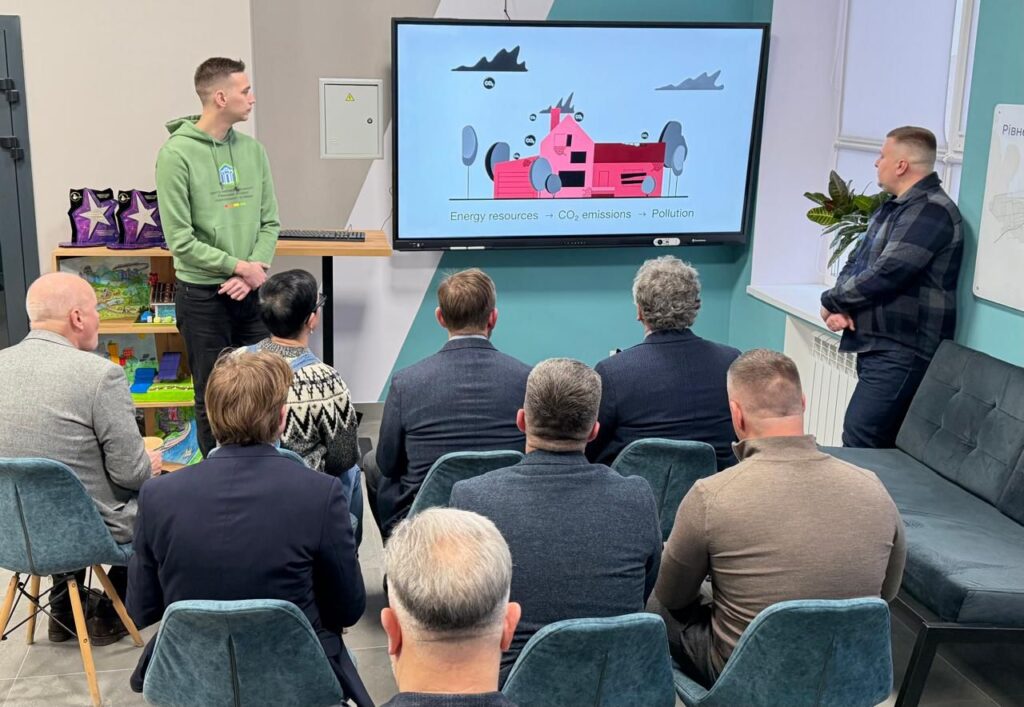
4. EU Technical Assistance and Czech Experience
Recognizing that this institutional capacity gap could not be bridged solely with local resources, the Rivne City Council pursued a strategy of mobilizing international technical assistance. A key milestone was establishing a partnership with the Czech non-governmental organization NESEHNUTÍ BRNO, which possesses a proven track record in the large-scale renovation of prefabricated housing stock (notably in Brno).
This expert collaboration resulted in a successful project proposal submitted under the LIFE 2024 Clean Energy Transition (CET) call. The action received direct funding from the European Climate, Infrastructure and Environment Executive Agency (CINEA) under project number 101215658, acronym LIFE24-CET-LEEP (“A Missing Link to Energy Efficient Performance of Buildings”).
The project was formally institutionalized in August 2025 through two key milestones:
- August 15, 2025: The Rivne City Council adopted Resolution No. 6923, establishing the legal and administrative framework for the Office.
- August 18, 2025: The Grant Agreement (GA) was signed with the Granting Authority (CINEA), launching the 36-month work plan to transform the community’s housing sector.

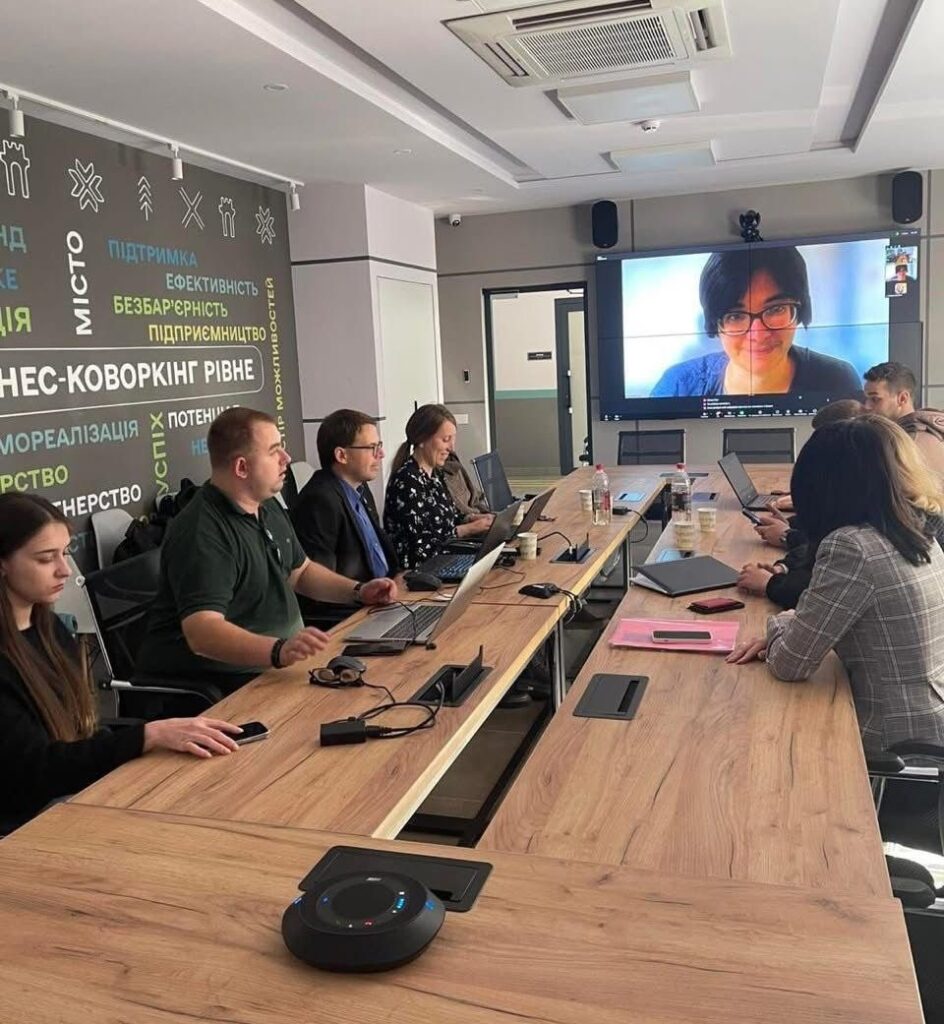
5. Current EEO Operations: Key Staff and first steps
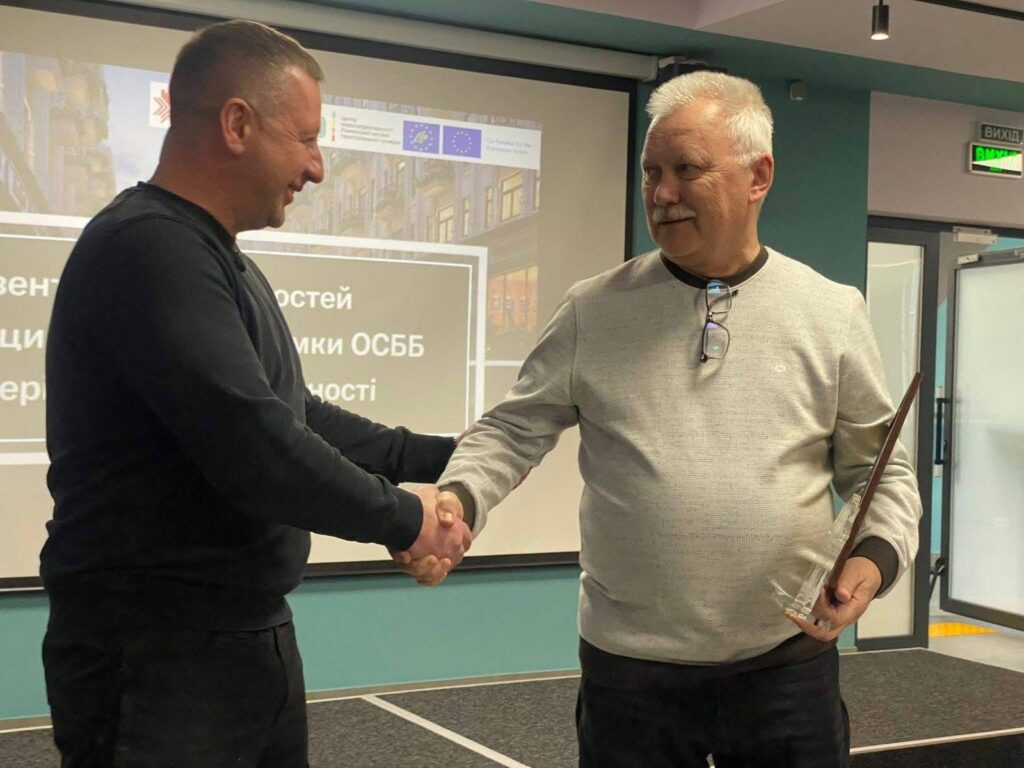
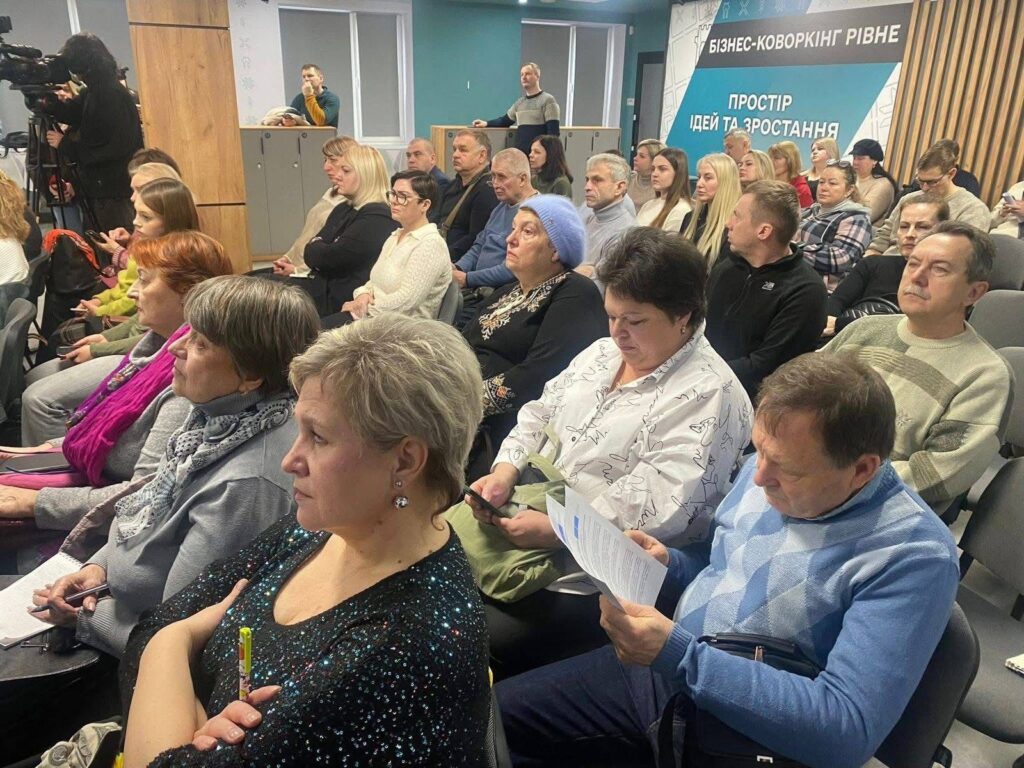
The Rivne City Energy Efficiency Office officially launched its operational phase on February 6, 2026. Operating as a formalized One-Stop-Shop (OSS), the center translates complex technical and financial parameters into a clear “language of benefits” for residents, reducing complexity and stimulating demand for energy performance investments.
Сurrently eight key staff specialists work for the office, including Energy Managers, Energy Auditors, Design Engineers, and an Investment and Grant Acquisition Manager. Staff responsibilities are strictly divided across Work Packages to ensure end-to-end quality assurance, covering legal assistance, building diagnostics, and fundraising support.
To streamline the customer journey, the EEO launched a dedicated project subsite https://netzero.org.ua/ and an advanced Customer Relationship Management (CRM) system. This software tracks every application from initial contact to completed investment, ensuring data-driven project management and integration with broader city energy tracking systems.
EEO specialists are actively engaging with HOA leaders to support the first batch of buildings out of the 30 pilot projects scheduled under the implementation plan.
For these pilot buildings, the EEO provides free professional energy audits and develops optimized financial scenarios. It blends national grants (“EnergoDim”, “GreenDim”) with local municipal support programs to lower upfront capital costs and minimize the financial commitments required from co-owners.
Through the operationalization of the Energy Efficiency Office, the confusing process of thermal renovation has been restructured into a standardized municipal service. This marks a decisive step by the Rivne territorial community toward achieving long-term energy independence, building decarbonization, and climate resilience.
Disclaimer: Funded by the European Union. Views and opinions expressed are however those of the author(s) only and do not necessarily reflect those of the European Union or the European Climate Action, Infrastructure and Environment Executive Agency (CINEA). Neither the European Union nor the granting authority can be held responsible for them.
Фінансується Європейським Союзом. Погляди та думки, висловлені в публікації, належать виключно автору(ам) і не обов’язково відображають погляди Європейського Союзу або CINEA. Ані Європейський Союз, ані грантодавець не несуть за них відповідальності.
#LEEP#LifeProgramme #EnergyEfficiency #NetZero #Sustainability #ЄС #Енергоефективність